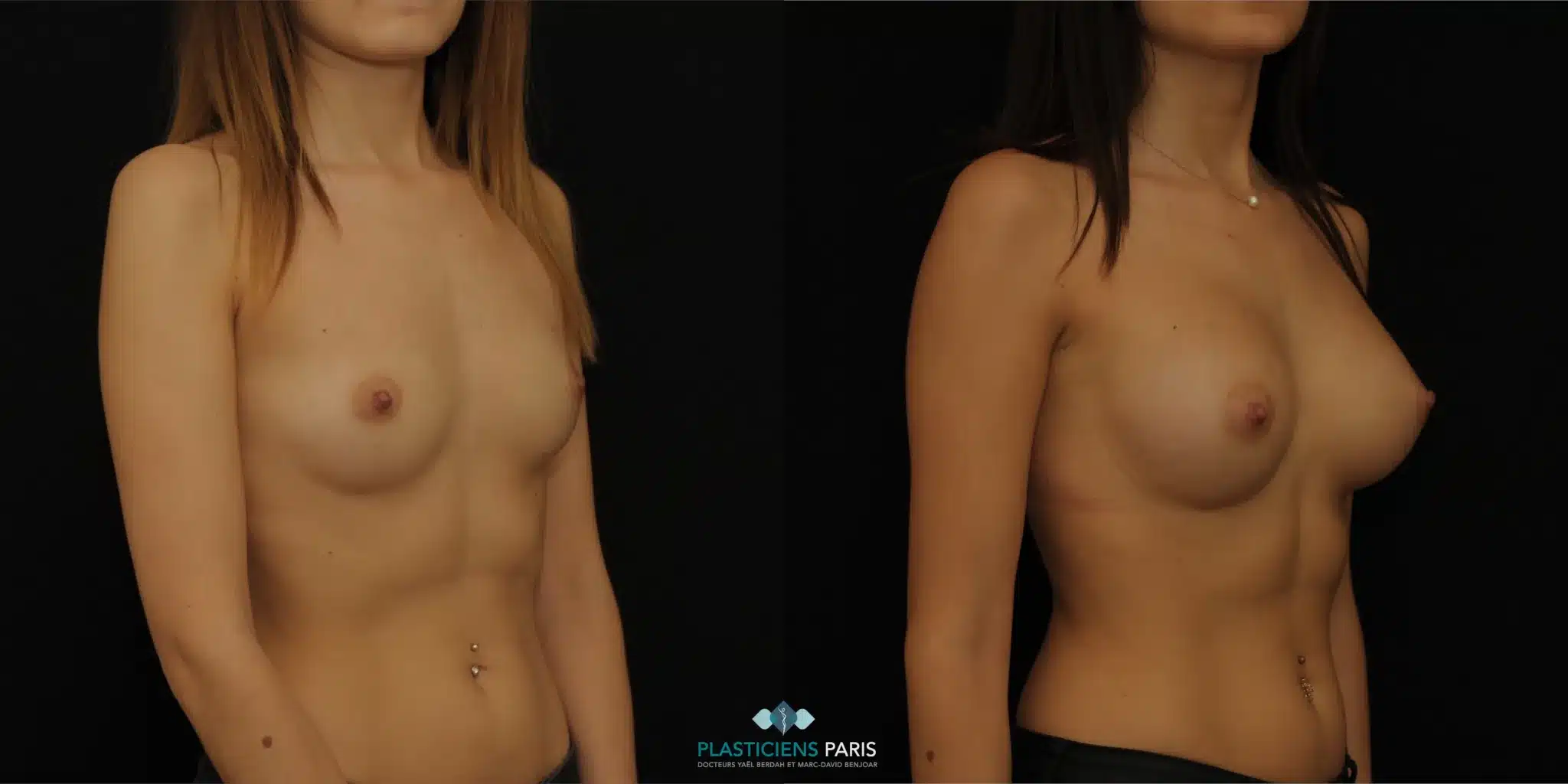

The Advantages of Breast Augmentation with Implants
Breast augmentation with implants remains the most trusted method for enhancing the volume and improving the shape of the breasts.
The majority of procedures are performed on an outpatient basis (patients arrive in the morning and are discharged around 7:00 PM).
Final results are typically visible at six months after surgery.
Breast augmentation with implants: what does it involve?
Breast augmentation with implants is a surgical procedure designed to increase breast volume and improve breast shape.
The surgeon creates a space within the chest to place a medical-grade implant made from a smooth silicone shell. The implant is then filled with either saline or silicone gel to achieve the desired volume.
There are three primary placement options for breast implants:
Placement Techniques
1. Retroglandular Placement (In Front of the Muscle)
The implant is placed between the breast gland and the pectoral muscle.
This is a simpler and less painful procedure, but implants can be more visible over time, especially in leaner patients. There is also a slightly increased risk of developing a capsular contracture (scar tissue around the implant).
2. Subfascial (Retrofacial) Placement
Here, the implant is positioned beneath the fascia (the connective tissue layer covering the pectoral muscle).
This technique offers better concealment of the upper edge of the implant and is our preferred method for patients with a moderate amount of natural breast tissue. It also reduces the risk of capsular contracture.
3. Retromuscular Placement (Behind the Muscle)
The implant is placed behind the pectoral muscle using the Dual-Plane technique, which involves partially freeing the muscle from its sternal attachments.
This technique perfectly conceals the implant’s upper edge and is recommended for very lean patients with minimal fat tissue.
While this method provides excellent results, it is typically more painful post-surgery.
Incision (Scar) Options
We offer three types of incision techniques:
- Inframammary Fold Incision (under the breast):
Used in 85% of cases. This approach allows for optimal implant placement, preserves nipple sensitivity, and lowers the risk of capsular contracture. - Axillary Incision (through the armpit):
Used in 5% of cases. This technique leaves almost no visible scar, even during intimate moments. It requires the use of an endoscopic camera for maximum precision. - Periareolar Incision (around the nipple):
Used in fewer than 10% of cases. Although the scar is discreet, this method requires cutting through the mammary gland, increasing the risk of bacterial contamination and capsular contracture. It is mainly reserved for cases involving tuberous breasts or breast asymmetry combined with ptosis (breast sagging).
Fitting Breast Prostheses: The Surgical Procedure
The breast augmentation surgery typically lasts between 1 and 2 hours and is usually performed under general anesthesia. A pre-operative consultation with the anesthesiologist is mandatory at least 48 hours before surgery.
In some cases, local anesthesia combined with sedation (neuroleptanalgesia) may be used.
- Outpatient Surgery:
Most patients enter the clinic around 7:30 AM and are discharged the same evening around 7:00 PM. - Overnight Stay Option:
If implants are placed behind the muscle, an overnight stay may be recommended (arrival at 1:00 PM, discharge the following day at 11:00 AM).
Recovery:
- For implants placed in front of the muscle or under the fascia, minimal pain, and return to work after about 4 days.
- For implants placed behind the muscle: stronger pain, controlled with prescribed medication; allow for 7 days of rest.
After surgery, patients are required to wear a support bra day and night for 15 to 30 days.
Post-Operative Recovery
Pain is usually most intense during the first week following surgery, particularly when larger implants are used or when implants are placed behind the muscle.
At the Alma Clinic, we have developed a specialized pain management protocol, including loco-regional anesthesia (PECS Block), which significantly reduces discomfort during the first 24 hours post-surgery.
Swelling (edema) and occasional bruising (blue discoloration of the skin) are common and subside quickly within a few days.
Breast augmentation with prostheses: Aftercare Instructions
- Dressings:
We use waterproof Mepilex Border dressings that allow patients to shower normally.
Dressings should be changed every 3 days and can be removed 9 days after surgery. - Sutures:
In most cases, sutures are absorbable and do not require removal. - Support Bra:
A special surgical bra must be worn continuously (day and night) for 2 to 4 weeks to help stabilize the implants. - Activity Restrictions:
No sports, heavy lifting, or sleeping on your stomach during recovery.
Return to work is possible between 3 and 7 days post-surgery.
Light sports (e.g., fast walking, elliptical) may be resumed at 45 days.
Full sports activities can resume after 3 months.
Note: Final results are generally evaluated at around 3 months.
Questions / Answers about breast augmentation with prostheses
Saline or silicone prostheses?
Saline or silicone prostheses?
Breast augmentation can be done with different prostheses. Discover the advantages and disadvantages of saline and silicone implants. We will present you with each type of prosthesis and the one we prefer. Read more …
Breast augmentation with round or anatomical implants?
Anatomical breast implants were presented by the laboratories as a major evolution in breast augmentation, enabling a more “natural” result to be achieved. However, we’ve gone backwards and now only use smooth, round implants. To find out more, read our article on anatomical or round breast implants.
What were the advantages of a polyurethane foam-covered breast prosthesis?
Here we’ll explain why we used polyurethane foam-covered anatomical breast forms and why we stopped using them. Read more …
Which brand of breast forms to choose?
There are many brands of breast implants, but the recent PIP and Allergan breast implant scandals have shown us how important the choice of implant brand is, both for the surgeon and the patient. We’ll introduce you to the main laboratories and explain why we only choose certain types and brands of breast implants. Read more…
How to choose the type of incision?
In this section we present the different incisions possible during a breast augmentation with a prosthesis and the scars left by them. Discover the different incisions and the ways we prefer. Read more …
How to choose the right size of breast prosthesis?
During a breast augmentation with prostheses, the choice of the size of the prostheses is a very important step. Discover the simulation methods used to define the size of breast implants and reassure patients who are often worried. Read more …
Breast implant price: how much does breast augmentation with prostheses cost?
The price of breast augmentation with implants ranges from €6500 to €8,000. Prices vary according to the type of implant, the technique used and the length of hospital stay.
What are the complications of breast augmentation with prostheses?
Fortunately, they are very rare, but this underlines the essential nature of the quality of the surgical procedure and the implant. Read more …
Use of breast prostheses
Breast prostheses can be used in breast reconstruction after cancer, in the treatment of breast deformities or for purely cosmetic purposes. Read more …
Breast implants and health insurance
In some cases, breast augmentation with implants can be reimbursed by health insurance. We explain what the necessary conditions are. Read more …
Lifespan of breast implants
The lifespan of a silicone gel-filled breast prosthesis cannot be known in advance. Most clinical trials show an average lifespan of 11 years, but your implant could last 8 or 25 years. Close monitoring is therefore essential.
As the years go by, certain complications or natural changes in the body can make it necessary to change a breast prosthesis sooner than expected. Whether it’s an aesthetic choice or a medical necessity, rigorous follow-up is essential to monitor their condition and anticipate any risks.
Pregnancy and breast implants
The placement of breast implants does not indicate a subsequent pregnancy or breastfeeding. We recommend waiting 3 months after the end of breastfeeding before considering breast augmentation with implants. Read more …
Breast implants and cancer
Numerous studies have shown that breast implants do not increase the risk of breast cancer. Recently, a rare immune cell cancer (anaplastic large cell lymphoma) has been described around some breast implants. We explain this risk in detail.
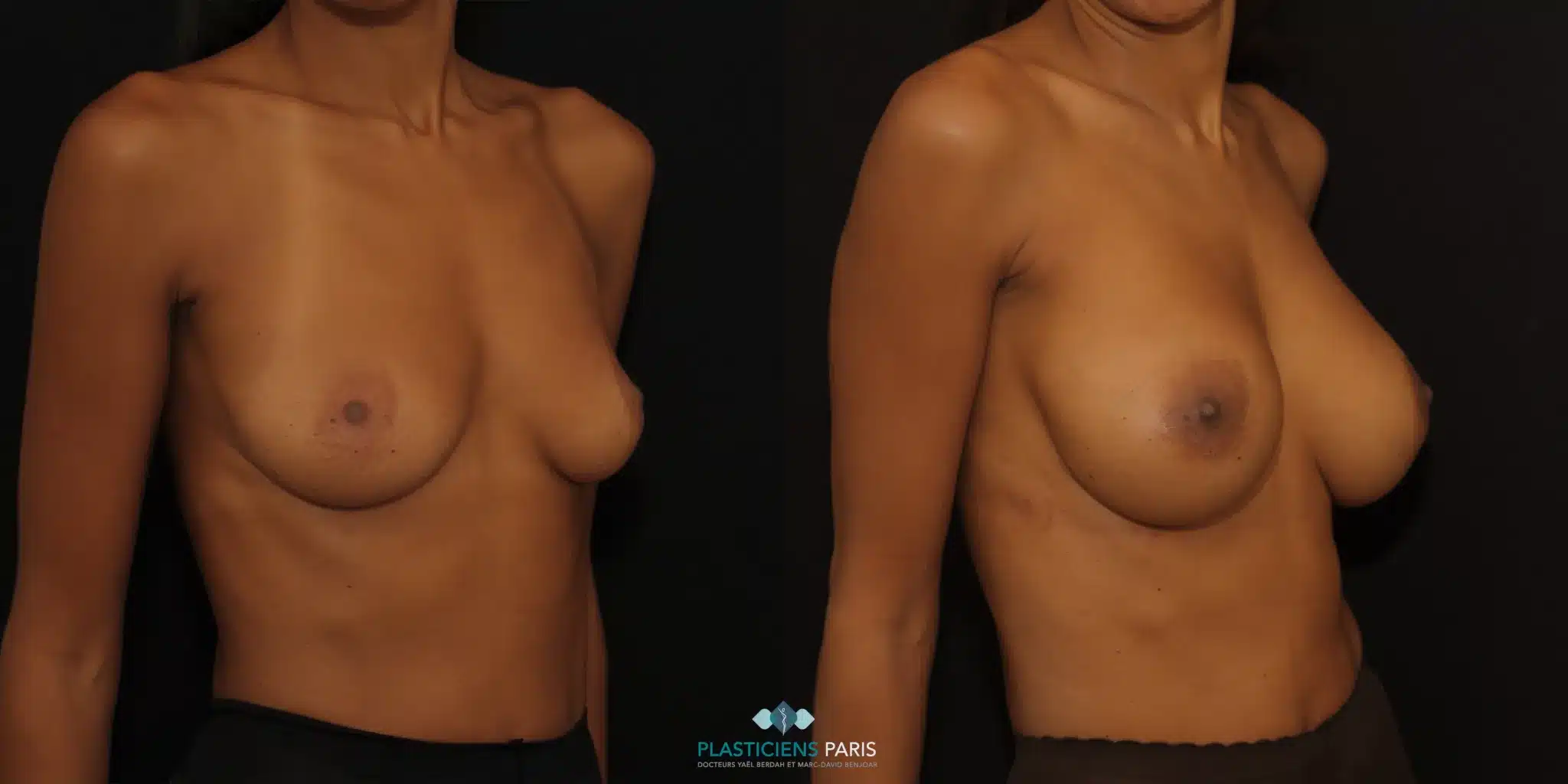
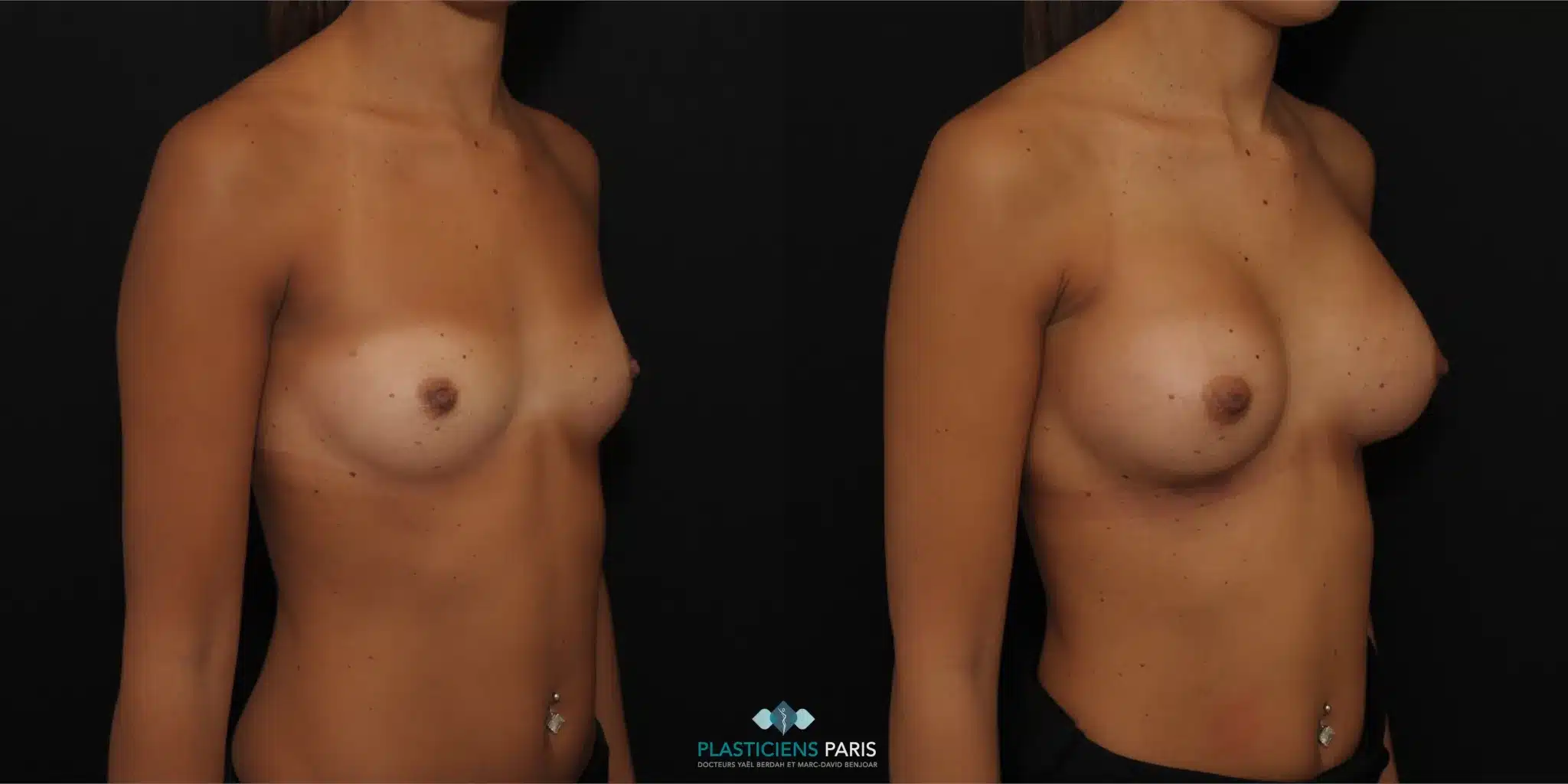
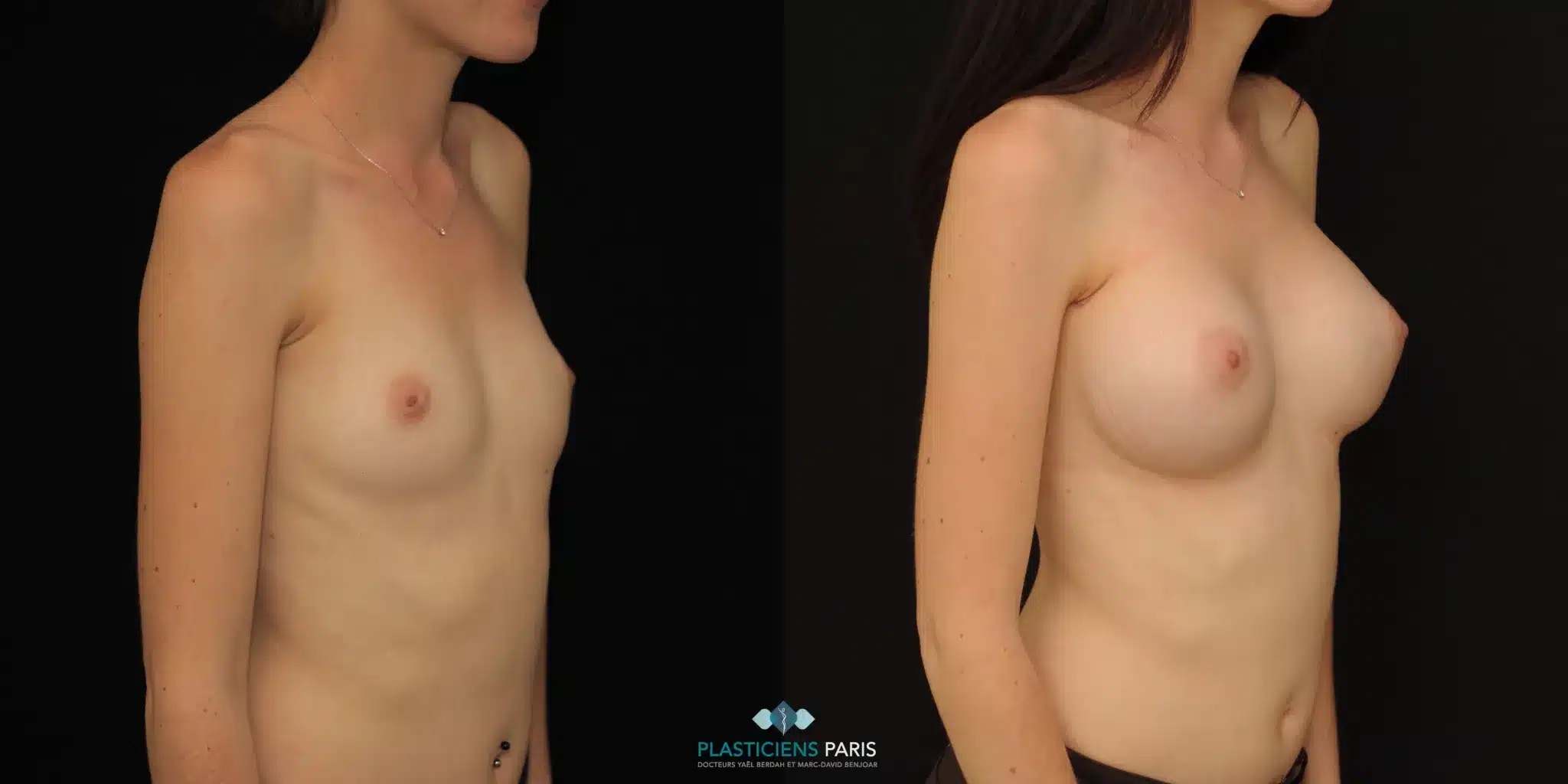
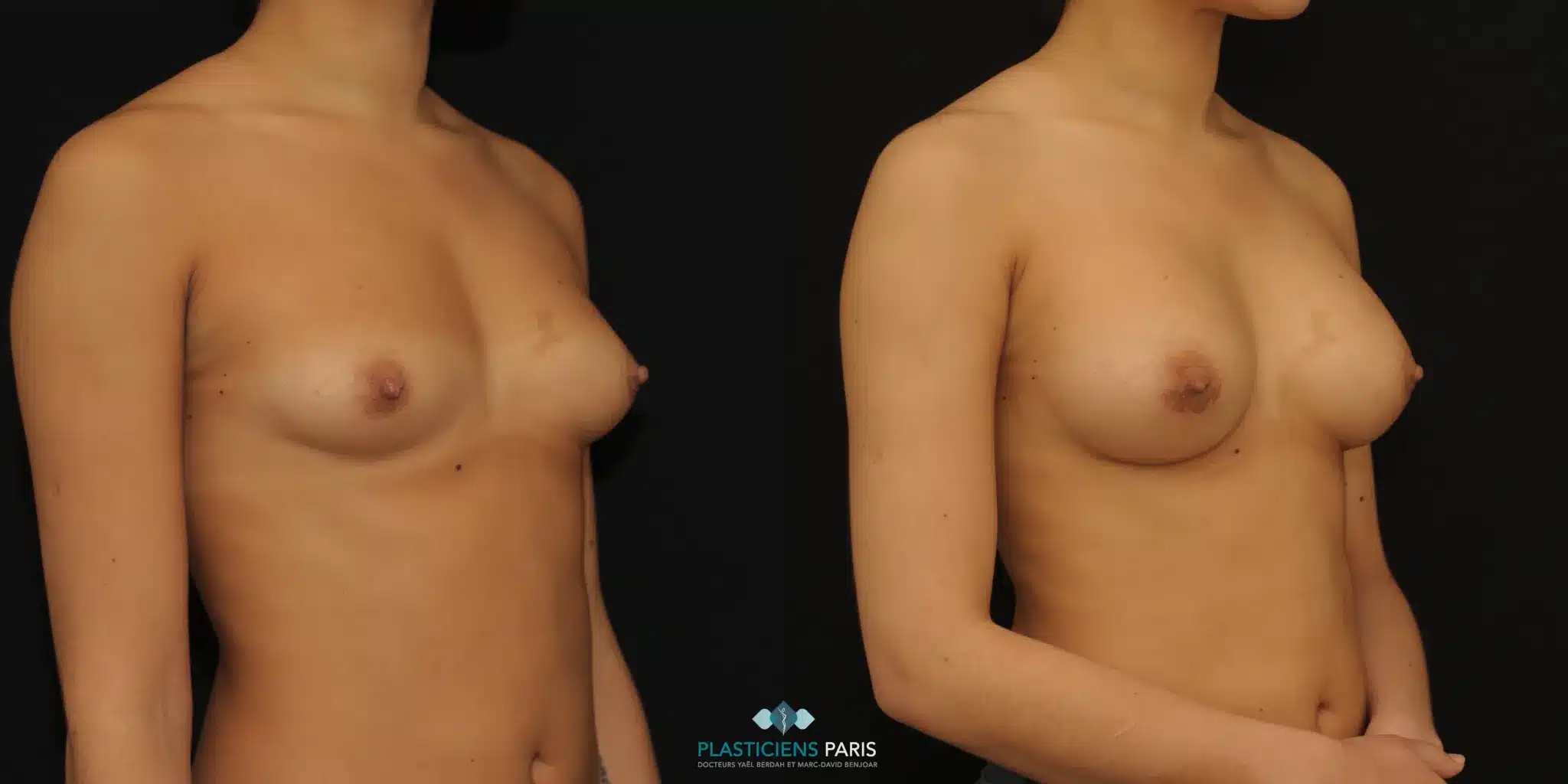
Before and after breast implants: results in photos
Take a look at our patients before-and-after breast augmentation results, performed by Dr Benjoar and Dr Berdah, breast implant surgeons in Paris.